Why public service websites carry a greater responsibility
Not all websites are created equal. Some are designed to sell. Some to entertain. But public service websites sit in a different category altogether. Their purpose is not persuasion but service. They exist to provide people with access, clarity, and trust, often in moments when those qualities matter most.
When design meets public duty
That responsibility is both unique and significant. A public-facing digital platform for a government or civic institution is more than an information hub. It is a frontline experience of public service itself. When it works well, people barely notice it. When it fails, the consequences ripple widely. Confusion grows. Trust erodes. Access is blocked.

From migration to transformation
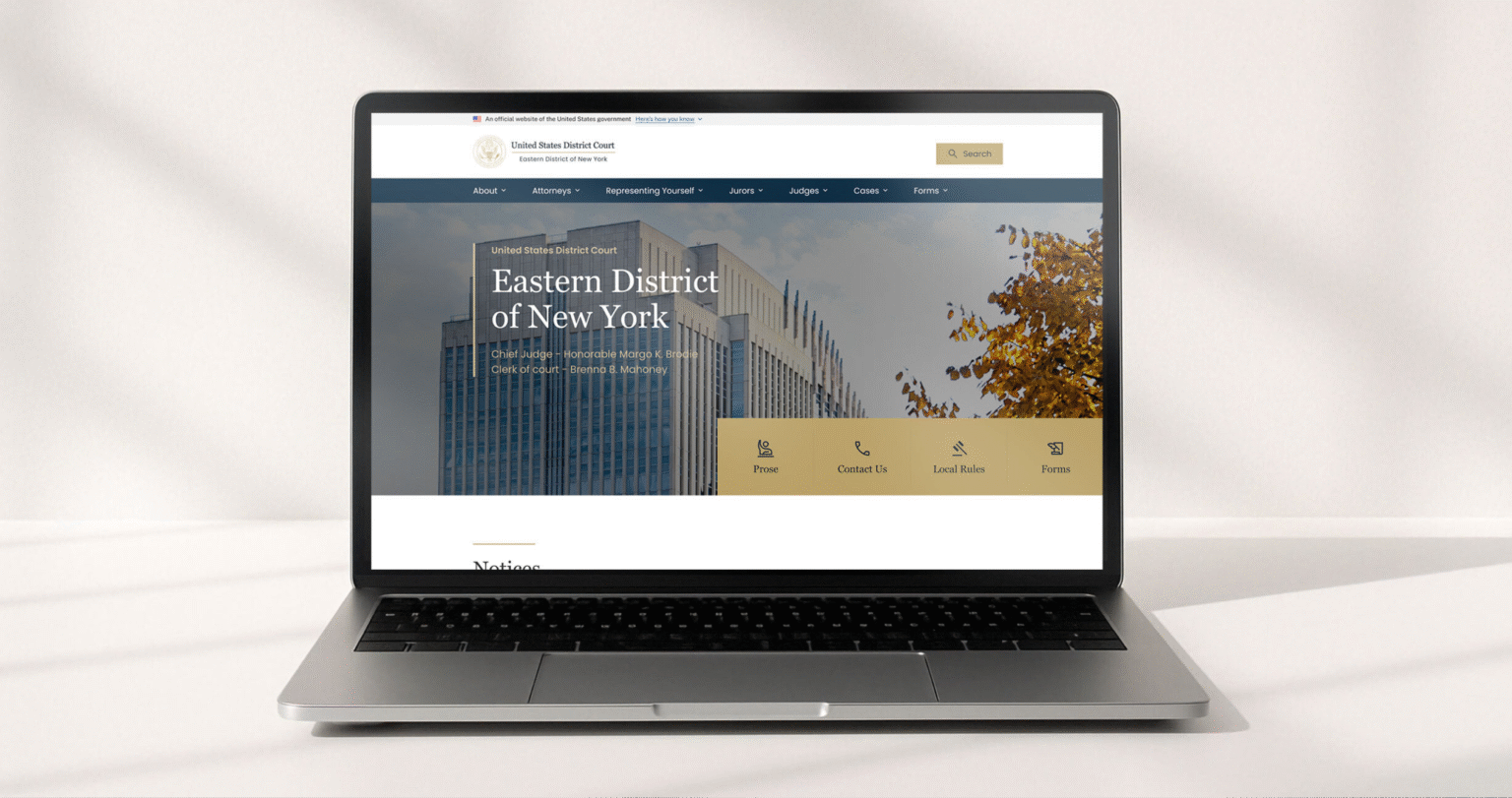
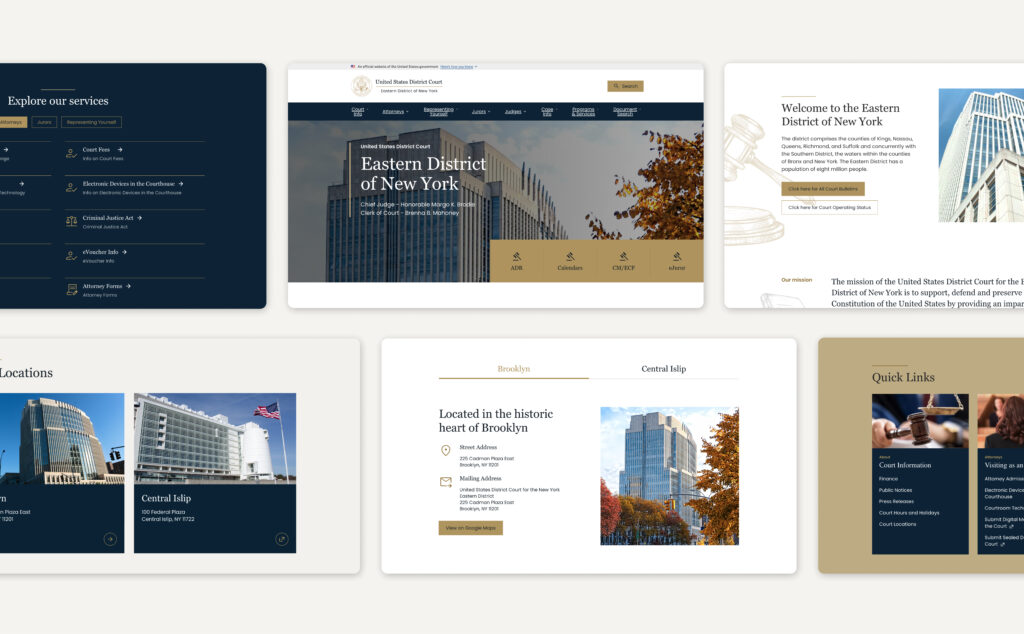
When the US District Courts, Eastern District of New York needed to migrate from a legacy CMS platform, they recognised this. Rather than simply refreshing the infrastructure, they embraced the opportunity to reimagine their website experience. The goal wasn’t just a technical upgrade, but a transformation of how a digital court system could be navigated by the people it serves.
The challenge was scale and complexity. Courts handle an enormous volume of content: legal documents, rules, schedules, forms, announcements, and resources for a diverse range of audiences. Each piece of content matters. Each must be easy to find, easy to understand, and presented in a way that inspires confidence.
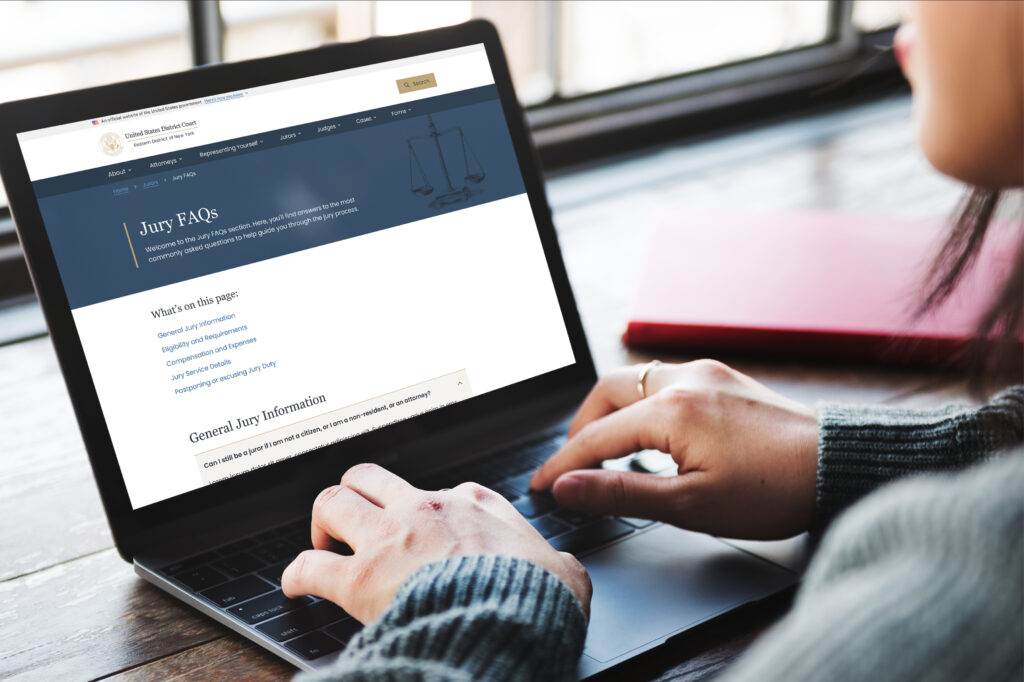
Design as a public service
This is where design becomes more than aesthetics. In public service, design is direction. It sets the path. It gives clarity where there might otherwise be confusion. It brings humanity to systems that can feel impenetrable. In the case of a federal court, good user experience is not a luxury – it is a public service in itself.
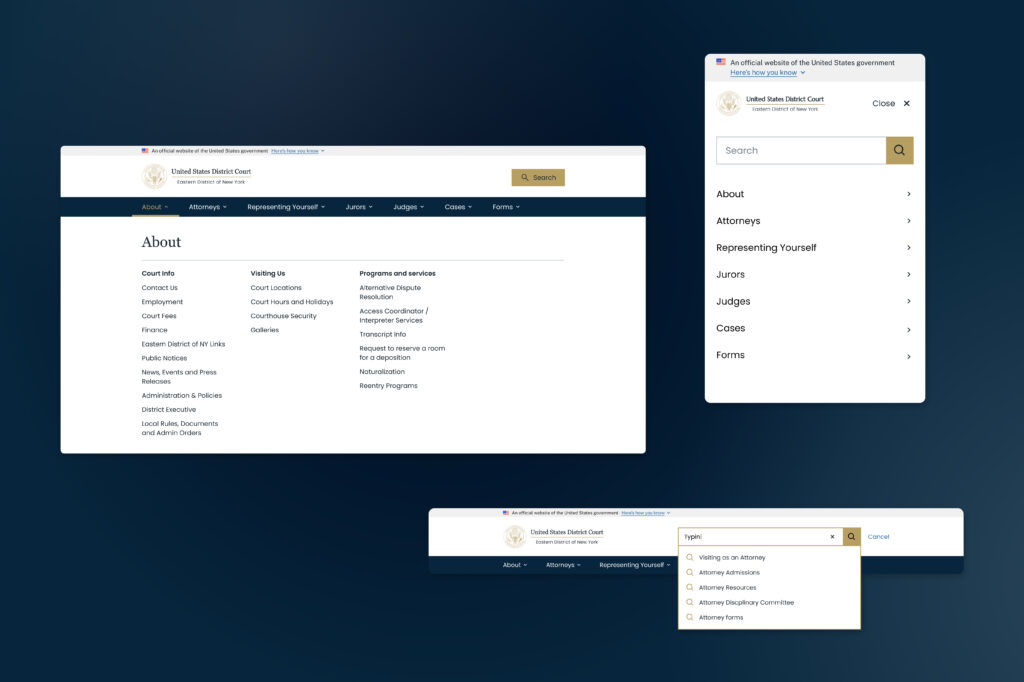
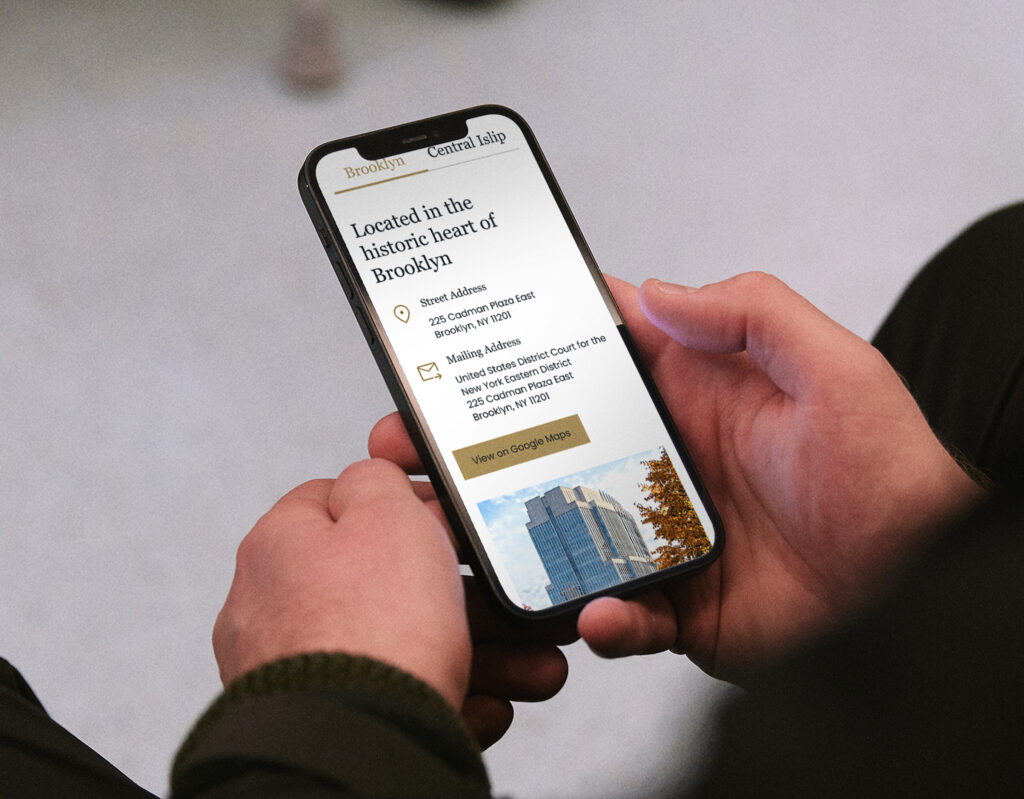
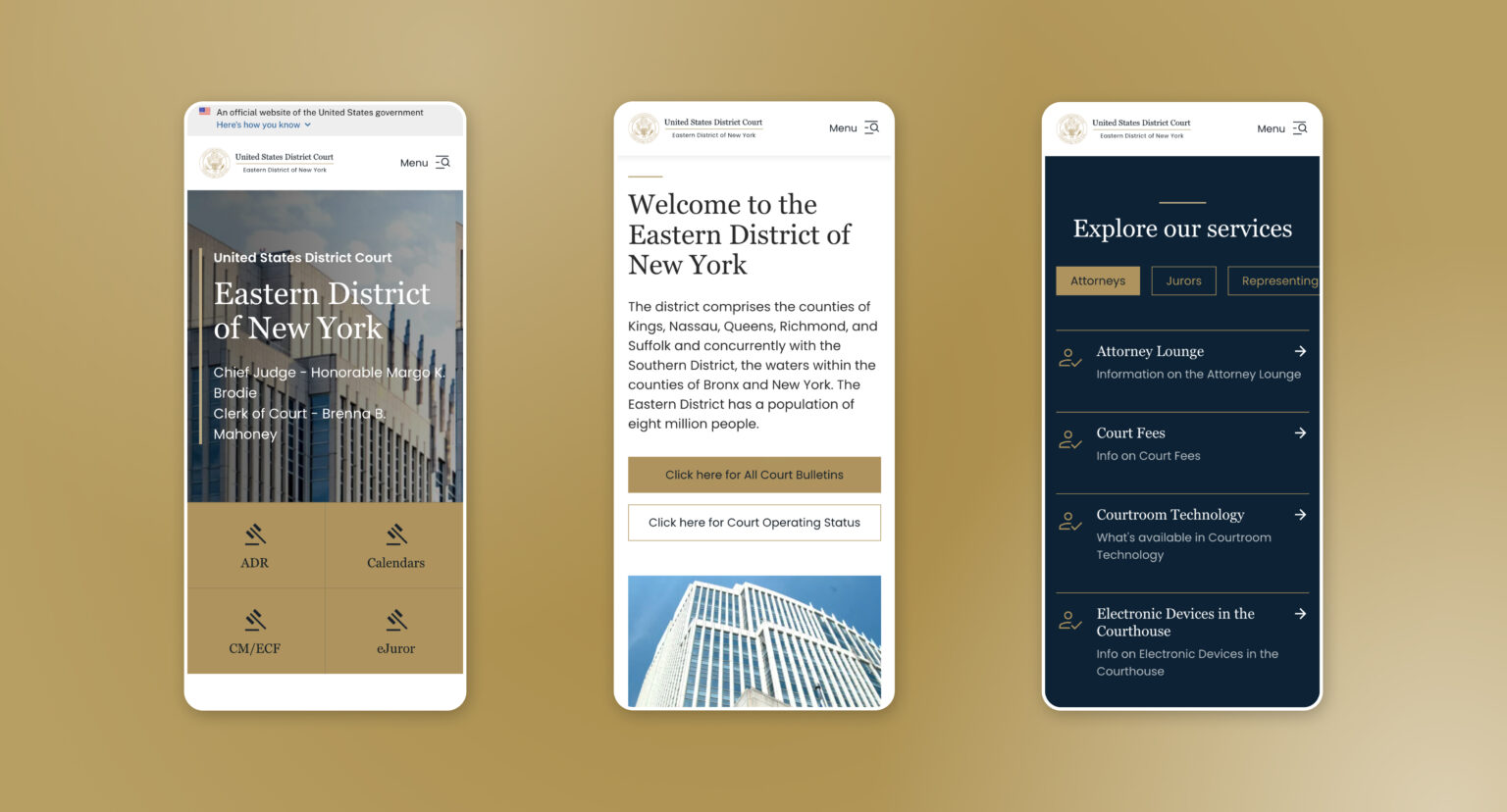
Athlon’s approach was to untangle the complexity and reframe the experience around clarity and confidence. By modernising both the design and the functionality, the new site makes navigating the court system simpler, faster, and more intuitive. Information is structured with purpose. Interfaces are designed to anticipate need. The experience feels more human, even when the subject matter is anything but simple
Raising the standard
The lesson here extends beyond the courtroom. Any organisation that serves the public carries a responsibility to design digital platforms that do more than “work.” They must actively reduce friction. They must respect people’s time and attention. They must build trust in institutions that depend on it.
Because in the end, public service websites are not just digital touchpoints. They are acts of service in themselves. And when they are designed with care, they can transform the way people experience, and trust, the institutions that shape their lives.
Author

Let’s talk
Big vision or small start, we’re here for it.
braveideas@athlon.globalDrop us an email here and we’ll get in touch.
hello@athlon.globalBrave Ideas straight to your inbox.